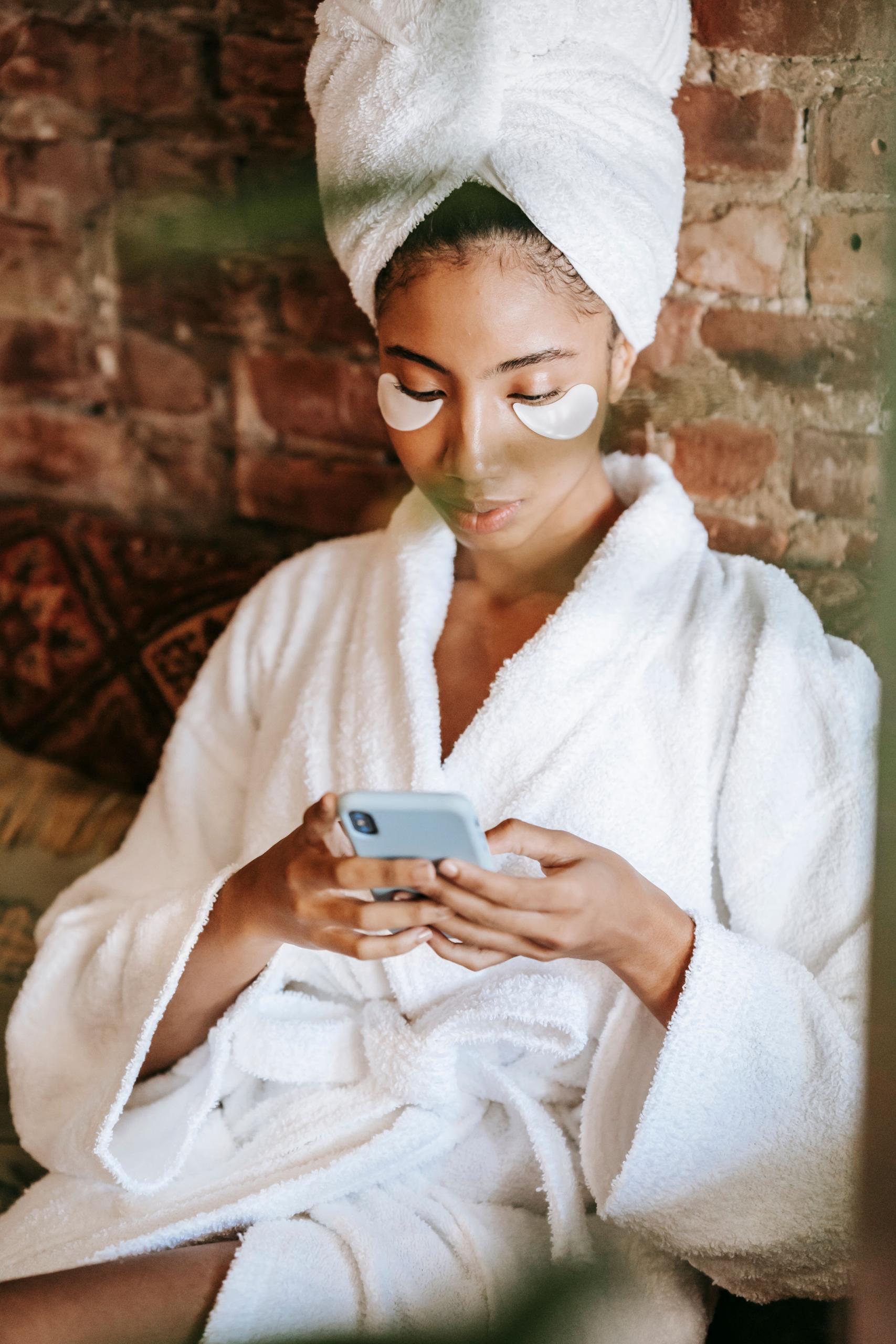
Every Sunday morning, when that cursed, judgy little weekly screen time notification pings, always showing an average daily usage so grossly high it borders on the obscene, I make the same solemn, delusionally optimistic vow that I will immerse myself in the real world and spend less time on my phone. And, more often than not, I fail miserably.
I must admit, working in media doesn’t help. Actually, I am self-aware enough to know I use it as an excuse to have my finger firmly pressed against the pulse of news and culture. How am I meant to come up with ideas to write about if I don’t consume a million different reels a day? It isn’t doomscrolling, I tell myself at 11 pm on a Tuesday night after I’ve spent two hours on TikTok, it’s research, I’m working. I am well aware it’s a flagrant, entirely transparent excuse to justify spending hours absorbing strangers’ videos and getting overly invested in influencer drama. I don’t scroll with intention; I am addicted to that cheap dopamine that is frying my brain and making it hard for me to stay immersed in a task that is longer than 3 minutes.
But recently, I realised I am honestly just over being glued to my phone. I am by no means a perfectly reformed, phone-shunning saint, but I have found a few ways to get better. These little shifts have kept my screen time somewhat in check, and the reward has been glorious: actual presence, miraculously reclaimed hours (who would have thought?), and just a little more mental clarity.
Wait an hour after you wake up before going on your phone.
This one literally changed my brain chemistry, though I won’t lie, it is hard to implement at the start. I used to reach for my phone the second I woke up, diving straight into emails and mindless Instagram scrolling before I was even fully conscious or out of bed. What I didn’t realise was the havoc this wreaks on your day.
Waking up and immediately looking at your phone blasts your brain with cheap dopamine and spikes your cortisol levels before your nervous system has even had a chance to regulate. You are essentially setting your brain’s baseline for distraction, teaching it to crave highly stimulating, low-effort rewards from the minute you open your eyes. Breaking that cycle was hard, but by delaying screen time for just one hour, I’ve starved my brain of that cheap morning dopamine. I no longer have that underlying, twitchy need to check my phone every five minutes, and the reflexive habit of mindlessly scrolling throughout the day is easier to keep at bay.
Turn your screen to greyscale.
You wouldn’t believe how much of our addiction is tied to pretty, bright colours. Tech companies spend millions of dollars and countless hours optimising the exact shade of red for notification badges to trigger a sense of urgency, anxiety, and excitement.
Our screens are quite literally designed by behavioural psychologists to mimic the flashing addiction of the pokies. After dinner, I like to set my phone to greyscale which you can do in your iPhone settings, so I can spend the evening enjoying the company of the people I love, reading, or actually focusing and enjoying a TV show. Yes, it takes a bit of willpower not to just change it back, but it makes Instagram way less interesting when it’s an ugly shade of grey. I find myself bored within minutes instead of getting sucked into the endless void of highly algorithmic intoxication.
Go somewhere without any reception.
Look, I know it sounds dramatic, but sometimes you just have to force your own hand. I am, at my core, a happy camper. There is an exquisite relief in being completely off-grid with absolutely zero signal. When the choice to be connected is removed, you have no option but to surrender and actually be present.
It usually takes about twenty-four hours, but then the phantom phone syndrome fades entirely. I completely forget I even own a tiny rectangle of anxiety and lose all desire to rejoin the real world or check my inbox when I go back to reality. It completely rewires my brain, the exact digital detox I crave. And if pitching a tent sounds like hell, Australia is crawling with aesthetic, off-grid cabins that will happily force you to switch off instead.
Get competitive.
Okay, a little healthy competition never hurt anyone. If you’re competitive, why not challenge a loved one, a partner, a friend, or even your entire group chat to see who can clock the lowest screen time of the week? Set a prize if you have to, make a whole thing out of it.
If you’re not naturally competitive, this one probably isn’t for you, but if you’re even a little competitive like I am, give this a go. I did this with my partner a couple of months back and it completely stopped us from mindlessly reaching for our phones all the time. Suddenly, I had to be intentional about my phone use (which I actively tried to implement in my daily life). This intentional use meant I stopped the mindless scrolling and was only picking it up to reply to necessary messages and emails. And yes, turns out it is possible to have a screen time of less than 2 hours when you take away doomscrolling.
Accept that nothing is an actual emergency.
We suffer from a collective, modern delusion that if we do not reply to a message within three minutes, the earth will spontaneously combust. For a long time, if I didn’t immediately reply to a work email or message, I would think I was doing a terrible job and would feel anxious. I had convinced myself that my immediate, 24/7 availability was the only thing getting me opportunities. Spoiler alert: it wasn’t.
If you receive an email on a Saturday morning, it is okay to reply on a Monday. We have to stop treating every single unread work message as an emergency. Unless you are literally a neurosurgeon on call, that email can absolutely wait until you are sitting at your desk in front of a laptop. It also teaches people that you have boundaries, and more importantly, it reminds your own brain that it is perfectly acceptable to simply reply later.
I know it is never easy to fully disconnect, especially when your livelihood practically demands you stay tethered to the internet. But honestly, stepping away from the relentless barrage of everyone else’s ideas gives you the quiet space to be more creative and genuinely happier.